
Gallery

  • Establishing interdependence with China key to Pakistan’s multidimensional progress: Experts

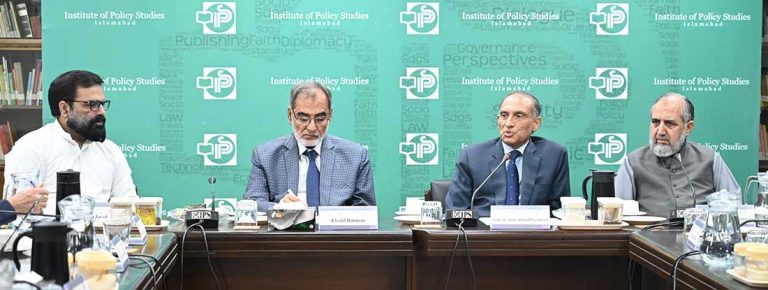
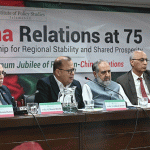
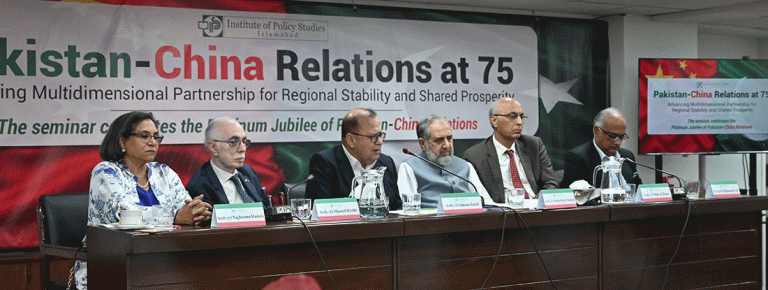
    Pakistan-China relations have evolved into a strong strategic partnership due to mutual trust, non-interference, and shared geopolitical interests, with economic and technological cooperation serving as key drivers of Pakistan’s future socio-economic transformation. In a bid to reap the benefits of this partnership, Pakistan needs a policy shift by transforming dependence into interdependence and investing in strengthening governance, human capital, and institutional professionalism. This was discussed during a seminar titled “Pakistan-China…
  • Pakistan requires development-focused budget beyond short-term stabilization: IPS seminar

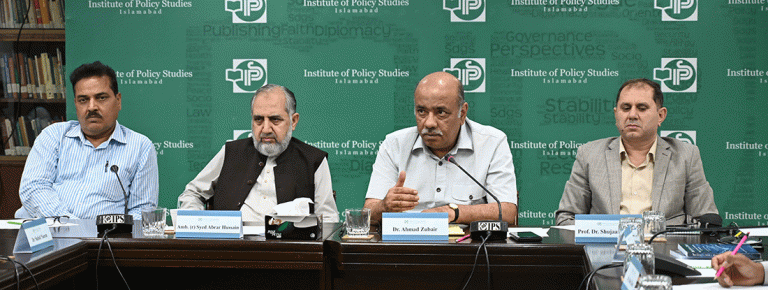
    Pakistan’s upcoming federal budget must move beyond short-term economic stabilization and focus on long-term development priorities including export growth, investment promotion, food security, and reduction in poverty and inequality. Without political will, institutional coordination, structural reforms, and reliable economic data, the country may continue to face stagflation, widening inequality, and growing balance-of-payments pressures. The aforementioned views were expressed by economists and fiscal experts during a discussion on the federal budget…

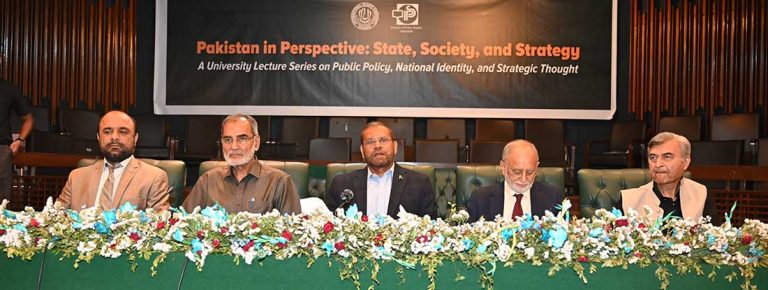
  • National purpose, public trust, and strategic clarity key to a resilient Pakistan, say experts

    Pakistan’s contemporary challenges and emerging opportunities require renewed focus on national identity, governance, institutional development, public trust, and strategic vision in order to build a cohesive and resilient future. In this context, intellectual engagement, civic responsibility, and constructive dialogue remain essential for addressing national issues and understanding Pakistan’s evolving position in the regional and global environment. This emerged as the central theme during the inaugural lecture of a 12-part series…

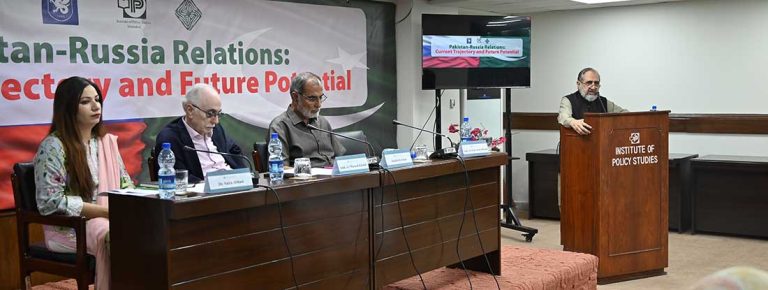
  • Changing global order creates new opportunities for Pakistan-Russia strategic cooperation, IPS seminar concludes

    The gradual emergence of a multipolar international order and shifting regional dynamics are creating new opportunities for Pakistan and Russia to expand cooperation beyond historical constraints. As geopolitical alignments continue to evolve, both countries are increasingly exploring pragmatic engagement in energy, trade, connectivity, defense, and regional stability. Analysts believe that sustained institutional dialogue and broader economic and academic collaboration will remain essential for developing a stable and long-term bilateral partnership.…

  • Modern challenges facing Muslim societies require paradigm shift in thinking: IPS discussion

    The challenges posed by the modern industrial world to Muslim societies cannot be addressed through nostalgia for the past, piecemeal reforms, or resistance to change alone. Rather, they demand a fundamental transformation in intellectual outlook, institutional development, and approaches to governance and progress. These views emerged during the third and last session of the discussion series titled “The Rise and Fall of Civilizations: Contemporary Context,” held at the Institute of…

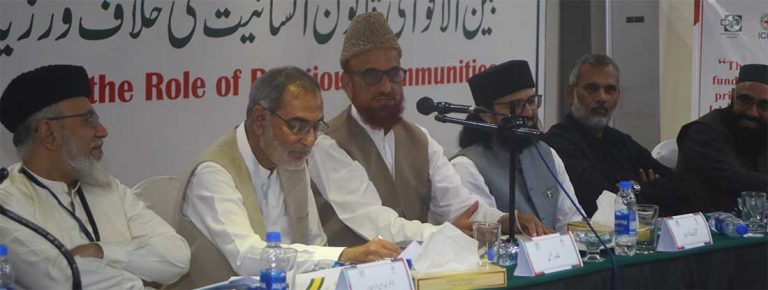
  • Eroding compliance with humanitarian law highlights need for stronger role of religious communities, say experts

    The increasing disregard for international humanitarian law (IHL) in contemporary conflicts is prompting renewed calls to strengthen ethical frameworks and expand the role of religious communities in upholding humanitarian principles. Experts stressed that religious traditions — particularly Islamic teachings — offer valuable guidance for protecting human dignity, regulating conduct during war, and ensuring accountability. The aforementioned observations were discussed at a conference titled “Eroding Compliance of IHL and the Role…

  • Modernization without indigenous identity leaves nations at crossroads: IPS discussion

    Sustainable modernization demands the ability to reconcile progress with indigenous identity, historical experience, and societal realities. Across the last three centuries, many non-European societies sought to bridge the gap with the West in power and prosperity, yet only a limited number succeeded in building enduring models of development. For countries like Pakistan, these historical experiences offer important lessons on how modernization can be pursued without losing cultural confidence or national…

  • Pakistan emerges as key middle power amid shifting global security order: IPS roundtable

    The changing global security environment and growing geopolitical uncertainty are creating greater diplomatic space for middle powers to contribute to regional and international stability. As traditional power structures face increasing strain, countries with balanced foreign policies and credible diplomatic outreach are gaining relevance in conflict management and strategic mediation. For Pakistan, this evolving landscape presents an opportunity to strengthen its role as a constructive middle power in an emerging multipolar…

  • Revitalizing Waqf and Zakat demands systemic reform, tech integration, and ethical economic frameworks: IPS & AIOU Conference

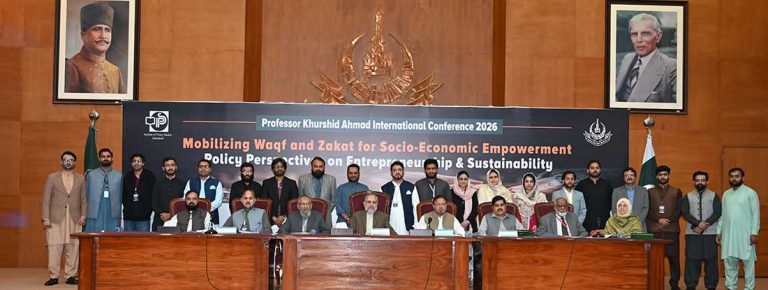
    Revitalizing Islamic finance institutions Waqf and Zakat is to address socio-economic inequalities and development models; in Pakistan, effectiveness requires institutional reform, governance transparency, and technological integration for sustainable inclusive growth. These themes emerged during the Professor Khurshid Ahmad International Conference 2026, jointly organized by the Institute of Policy Studies (IPS) and Allama Iqbal Open University (AIOU) on April 2-3, 2026, under the theme “Mobilizing Waqf and Zakat for Socio-Economic Empowerment:…

  • Experts call for pausing NCF 2026 finalization to ensure indigenous grounding and policy coherence

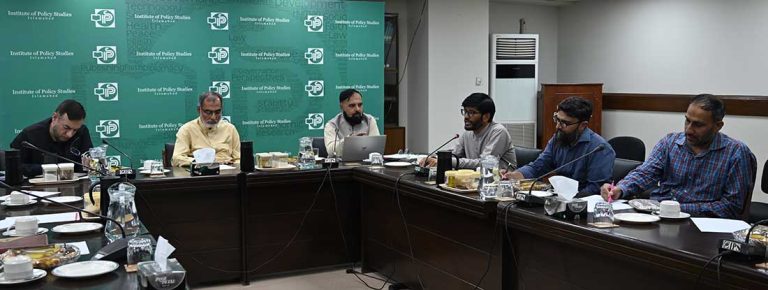
    Ensuring that national curriculum development reflects indigenous values, constitutional principles, and educational realities is central to building a coherent and future-oriented education system. In Pakistan, curriculum reform requires not only periodic revision but also a clearly articulated policy foundation, inclusive stakeholder engagement, and alignment with national ideological and social priorities. These concerns emerged during a consultative meeting titled “National Curriculum Framework 2026: A Review,” hosted by the Institute of Policy…

Back to top