




Pakistan and its Neighbours

  • The Pakistan factor in India: Future Trend Analysis

    This policy insight examines the growing role of the “Pakistan factor” in India’s political communication and electoral strategy, particularly through hyper-nationalist narratives and media-driven perception building. It analyzes the BJP’s future electoral trajectory toward 2029, alongside the strategic and narrative dimensions of recent Pakistan-India military tensions. The piece also highlights the increasing importance of agenda-setting, information warfare, and perception management in shaping regional politics and modern interstate conflict. Download PDF
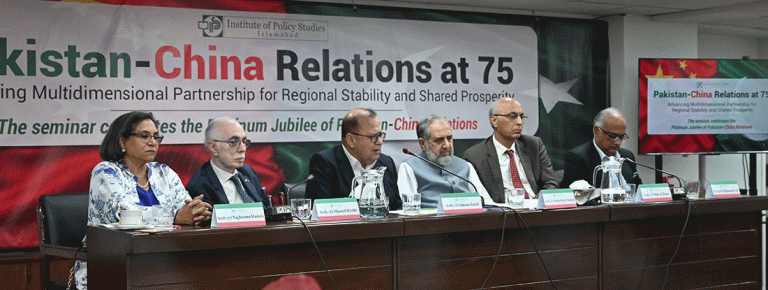
  • Establishing interdependence with China key to Pakistan’s multidimensional progress: Experts

    Pakistan-China relations have evolved into a strong strategic partnership due to mutual trust, non-interference, and shared geopolitical interests, with economic and technological cooperation serving as key drivers of Pakistan’s future socio-economic transformation. In a bid to reap the benefits of this partnership, Pakistan needs a policy shift by transforming dependence into interdependence and investing in strengthening governance, human capital, and institutional professionalism. This was discussed during a seminar titled “Pakistan-China…

  • Pakistan: An Unfailing State in a Failing Neighborhood

    This Analysis by Brig (r) Said Nazir, senior associate at IPS, explores Pakistan’s role as an unfailing state in a failing neighbourhood and the strategic weight of its geography. The analysis highlights Pakistan’s survivalist diplomacy, its mediation between Washington and Tehran, and its paradoxical ability to converge adversaries rather than divide them. It examines how Pakistan impeccably leverages its position as a trusted yet distrusted actor, balancing ties with Saudi…

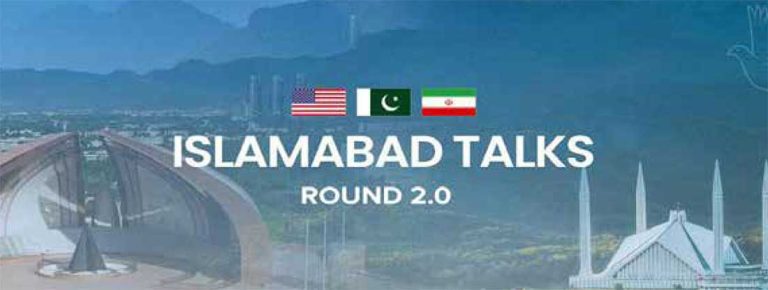
  • Second Round of Islamabad Talks between US and Iran

    This policy insight examines the evolving U.S.–Iran peace talks mediated by Islamabad, focusing on strategic signaling and diplomatic engagement. It analyzes the interplay of coercive posturing and negotiation dynamics, including the use of brinkmanship and calibrated messaging. The piece also highlights the limitations of media-driven narratives and underscores the importance of sustained, incremental engagement in managing conflict and addressing core issues. Download PDF

Back to top