

Policy Brief

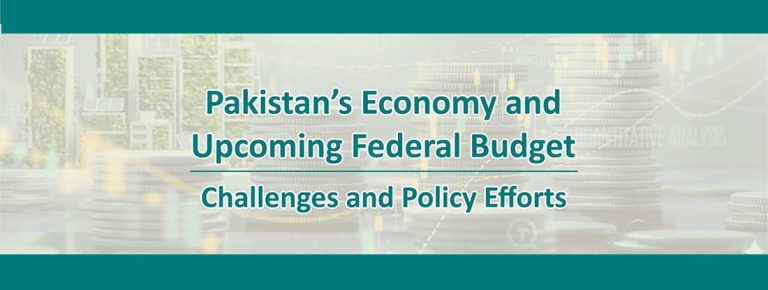
  • Pakistan’s Economy and Upcoming Federal Budget: Challenges and Policy Efforts

    Pakistan’s economy is passing through a critical phase marked by fragile macroeconomic stabilization alongside deep-rooted structural vulnerabilities. The forthcoming federal budget for 2026-27 assumes heightened significance as the country navigates inflationary pressures, external sector risks, IMF conditionalities, and growing demands for inclusive development. This policy brief examines the current state of the economy, outlines the key challenges confronting the budget, and presents policy recommendations aimed at shifting economic management from…
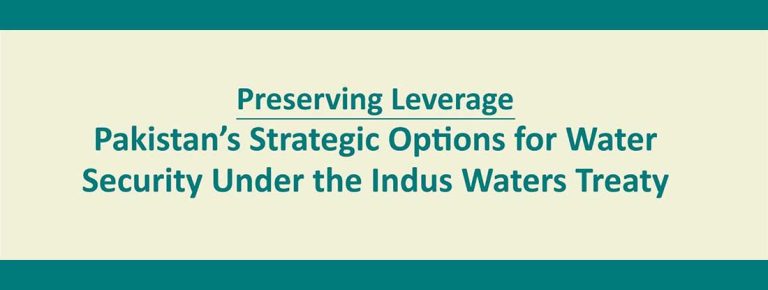
  • Preserving Leverage: Pakistan’s Strategic Options for Water Security under the Indus Waters Treaty

    Water security in Pakistan is increasingly threatened by climate change and India’s growing non-compliance with the Indus Waters Treaty (IWT), including its unilateral decision to place the treaty in “abeyance.” These developments heighten regional strategic instability and endanger agricultural and socioeconomic stability. This policy brief analyzes these risks and proposes a comprehensive, coordinated national and international policy response to safeguard Pakistan’s water resources over the long term. Download PDF

  • From Net-Metering to Net-Billing: An Illusion of Corrective Reforms

    Pakistan’s power sector faces persistent structural challenges, including DISCO inefficiencies, high generation costs, and rising circular debt, straining consumers and utilities. Under net metering, consumers shifted to rooftop solar, offering an affordable and reliable alternative to costly, unreliable grid electricity. However, the move to net billing signals a major policy shift, whose implications this policy brief examines alongside pathways for sustainable reforms. Download PDF

Back to top