
Research

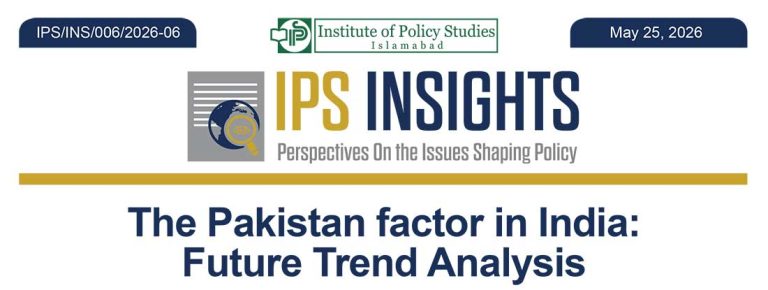
  • The Pakistan factor in India: Future Trend Analysis

    This policy insight examines the growing role of the “Pakistan factor” in India’s political communication and electoral strategy, particularly through hyper-nationalist narratives and media-driven perception building. It analyzes the BJP’s future electoral trajectory toward 2029, alongside the strategic and narrative dimensions of recent Pakistan-India military tensions. The piece also highlights the increasing importance of agenda-setting, information warfare, and perception management in shaping regional politics and modern interstate conflict. Download PDF
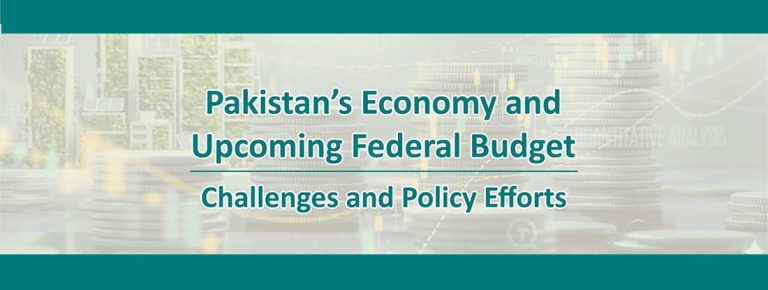
  • Pakistan’s Economy and Upcoming Federal Budget: Challenges and Policy Efforts

    Pakistan’s economy is passing through a critical phase marked by fragile macroeconomic stabilization alongside deep-rooted structural vulnerabilities. The forthcoming federal budget for 2026-27 assumes heightened significance as the country navigates inflationary pressures, external sector risks, IMF conditionalities, and growing demands for inclusive development. This policy brief examines the current state of the economy, outlines the key challenges confronting the budget, and presents policy recommendations aimed at shifting economic management from…

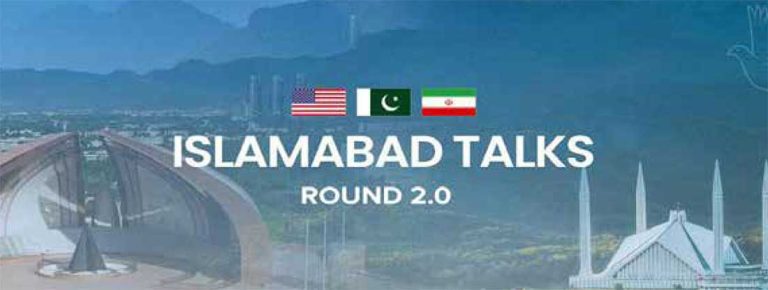
  • Second Round of Islamabad Talks between US and Iran

    This policy insight examines the evolving U.S.–Iran peace talks mediated by Islamabad, focusing on strategic signaling and diplomatic engagement. It analyzes the interplay of coercive posturing and negotiation dynamics, including the use of brinkmanship and calibrated messaging. The piece also highlights the limitations of media-driven narratives and underscores the importance of sustained, incremental engagement in managing conflict and addressing core issues. Download PDF

  • Preserving Leverage: Pakistan’s Strategic Options for Water Security under the Indus Waters Treaty

    Water security in Pakistan is increasingly threatened by climate change and India’s growing non-compliance with the Indus Waters Treaty (IWT), including its unilateral decision to place the treaty in “abeyance.” These developments heighten regional strategic instability and endanger agricultural and socioeconomic stability. This policy brief analyzes these risks and proposes a comprehensive, coordinated national and international policy response to safeguard Pakistan’s water resources over the long term. Download PDF

  • From Net-Metering to Net-Billing: An Illusion of Corrective Reforms

    Pakistan’s power sector faces persistent structural challenges, including DISCO inefficiencies, high generation costs, and rising circular debt, straining consumers and utilities. Under net metering, consumers shifted to rooftop solar, offering an affordable and reliable alternative to costly, unreliable grid electricity. However, the move to net billing signals a major policy shift, whose implications this policy brief examines alongside pathways for sustainable reforms. Download PDF

  • Pakistan-Afghanistan: The Changing Tides of War

    This write-up examines the recent escalation in Pakistan–Afghanistan tensions, highlighting the shift from strategic restraint to a more assertive military posture. It analyzes Afghanistan’s sub-conventional warfare approach and Pakistan’s evolving response, including counterterrorism operations and strategic recalibration. The piece also explores emerging regional implications, the Taliban’s internal signaling, and the future trajectory of the conflict. Download PDF

  • Iran – US & Israel War: Oil Price Hike and Pakistan’s Response

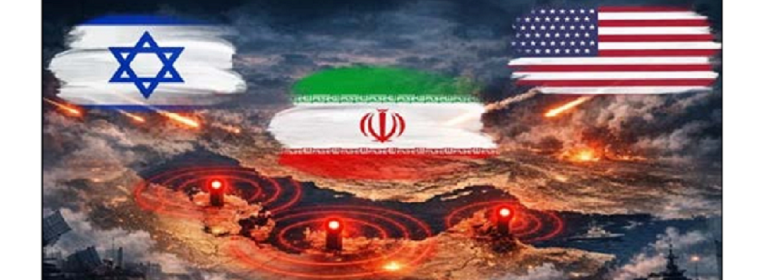
    This policy comment examines the economic fallout of the Iran–US and Israel conflict for Pakistan, with a focused lens on rising petroleum prices and their downstream impact on the national economy. It critically assesses the government’s petroleum price adjustment, evaluates its adequacy against global oil market dynamics, and explores alternative policy approaches that could have better cushioned the economic burden. The comment concludes with strategic long-term recommendations to strengthen Pakistan’s…

  • War on the Western Front

    This analysis by Brig (r) Said Nazir, senior associate, IPS, examines the evolving Iran vs US-Israel war and the strategic implications of a widening regional war. This policy insight explores Iran’s shift toward a long war of attrition, the position of Gulf states, and the geopolitical calculations shaping the Middle East security landscape. It also evaluates the role of major powers like China and Russia amid the changing global order.…

  • Pakistan Economic Insights (January 2026)

    Pakistan’s economic recovery is gaining momentum faster than anticipated, with large-scale manufacturing rebounding from contraction to 4.8% growth and agriculture expected to contribute positively. Fiscal consolidation of Rs. 2 trillion was achieved primarily through Rs. 1.6 trillion interest payment savings following rate reductions. However, external pressures are mounting as imports surge while exports contract sharply, widening the trade deficit. Remittances remain the only saving grace. Paradoxically, despite massive social protection…

  • Pakistan Economic Insights (October-November 2025)

    Pakistan’s economy in the first six months of FY2025-26 shows a mixed picture of resilience amid mounting strain. Though fiscal consolidation, monetary steadiness, and growth in manufacturing (e.g., automobiles, cement) indicated fundamental fortitude, noteworthy vulnerabilities are increasing. The most serious compression point is the weakening agriculture sector, which grew merely at 0.56% in FY25, intimidating food security and inflation. Simultaneously, the external sector is fading, with a broadening current account…

Back to top