
Seminar

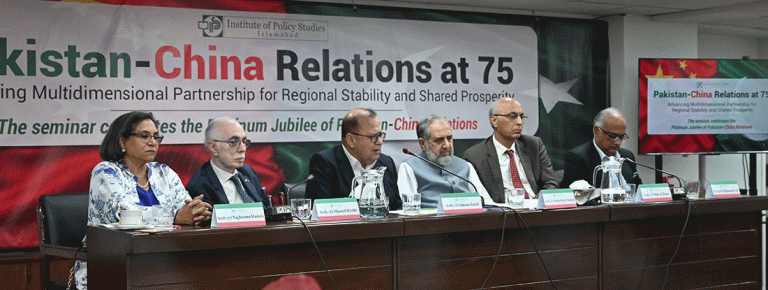
  • Establishing interdependence with China key to Pakistan’s multidimensional progress: Experts

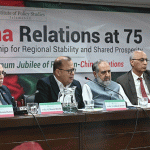
    Pakistan-China relations have evolved into a strong strategic partnership due to mutual trust, non-interference, and shared geopolitical interests, with economic and technological cooperation serving as key drivers of Pakistan’s future socio-economic transformation. In a bid to reap the benefits of this partnership, Pakistan needs a policy shift by transforming dependence into interdependence and investing in strengthening governance, human capital, and institutional professionalism. This was discussed during a seminar titled “Pakistan-China…
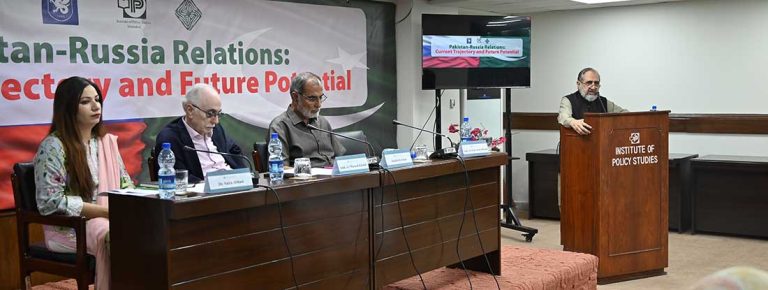
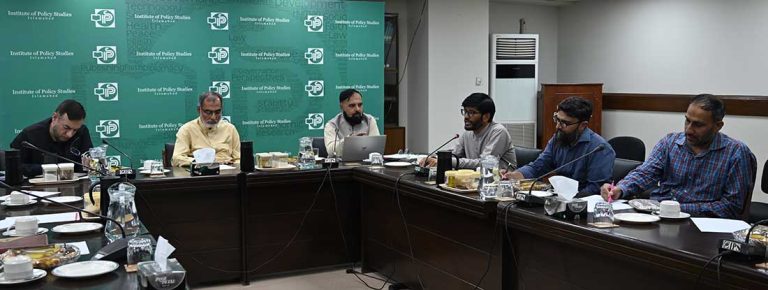
  • Changing global order creates new opportunities for Pakistan-Russia strategic cooperation, IPS seminar concludes

    The gradual emergence of a multipolar international order and shifting regional dynamics are creating new opportunities for Pakistan and Russia to expand cooperation beyond historical constraints. As geopolitical alignments continue to evolve, both countries are increasingly exploring pragmatic engagement in energy, trade, connectivity, defense, and regional stability. Analysts believe that sustained institutional dialogue and broader economic and academic collaboration will remain essential for developing a stable and long-term bilateral partnership.…

  • Experts call for pausing NCF 2026 finalization to ensure indigenous grounding and policy coherence

    Ensuring that national curriculum development reflects indigenous values, constitutional principles, and educational realities is central to building a coherent and future-oriented education system. In Pakistan, curriculum reform requires not only periodic revision but also a clearly articulated policy foundation, inclusive stakeholder engagement, and alignment with national ideological and social priorities. These concerns emerged during a consultative meeting titled “National Curriculum Framework 2026: A Review,” hosted by the Institute of Policy…

  • Sustained diplomacy key to counter India’s attempts to normalize Kashmir status quo: Seminar

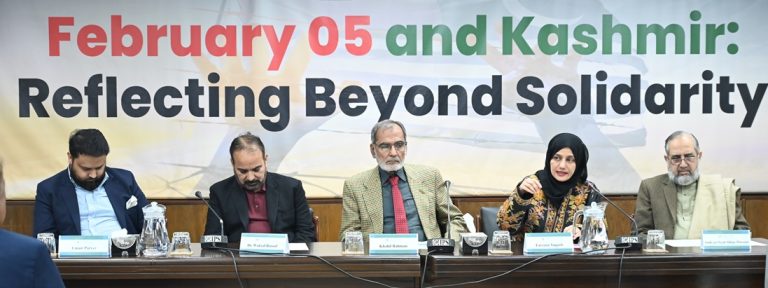
    Sustained diplomacy and informed advocacy are essential to counter India’s attempts of normalizing the status quo in occupied Kashmir, which remains a test case for the international legal system, particularly the fundamental principle of the right to self-determination. This position rests on internationally recognized legal foundations, including geographical proximity, demographic composition, and the historical and cultural ties of Kashmir with Pakistan. This was discussed during an interactive session at the…

  • The Living Scripts Sessions with Ambassador (r) Aizaz Ahmad Chaudhry

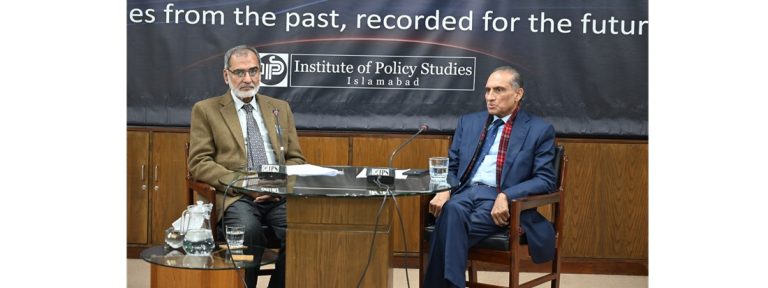
    The 39th session of IPS’s oral history project, The Living Scripts, featured Ambassador Aizaz Ahmad Chaudhry, former Foreign Secretary of Pakistan. The conversations were held on October 27, 2025, and January 8 and 29, 2026, during which Ambassador Chaudhry revisited the milestones of his life and diplomatic career, sharing memories, reflections, and personal anecdotes. Recalling his early years, Ambassador Chaudhry spoke warmly about his upbringing and education. Born on February…

  • Kashmir cause remains legally valid, places greater responsibility on youth: Seminar

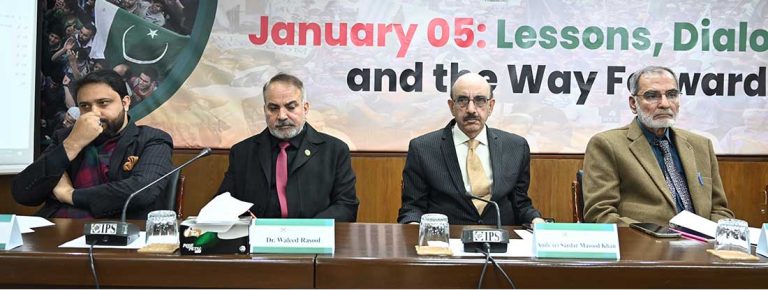
    The Kashmir issue remains a legally valid and internationally recognized struggle for the right to self-determination, grounded in binding UN Security Council resolutions. However, geopolitical power asymmetries have obstructed its resolution, thereby placing renewed responsibility on Pakistan’s youth to carry forward the cause while remaining guided by the principles of Pakistan’s ideology. This was discussed during a seminar at the Institute of Policy Studies (IPS), held in collaboration with the…

Back to top